
Why Metal Fabrication Demands Single Girder Cranes with Higher Safety Factors
Metal fabrication plants are industrial crucibles—environments defined by extreme heat, heavy loads, corrosive agents, and relentless operational cycles. Here, standard lifting equipment isn’t just inadequate; it’s a critical liability. For facilities handling molten metal, massive castings, or precision-engineered components, single girder cranes must be engineered with higher safety factors to prevent catastrophic failures. Let’s explore why standard cranes fall short and how Dongqi Crane’s reinforced designs meet these brutal demands.
The Metal Fabrication “Inferno”: Where Standard Cranes Fail
Picture a typical day: temperatures exceeding 50°C near foundry zones, airborne metal dust corroding electrical components, and 20-ton steel plates swinging overhead. Standard single girder cranes, designed for light-duty warehouse tasks, buckle under such conditions. Fatigue cracks proliferate, motors overheat, and corrosion silently eats into structural margins. The result? Unplanned downtime, costly repairs, or worse—structural collapse.
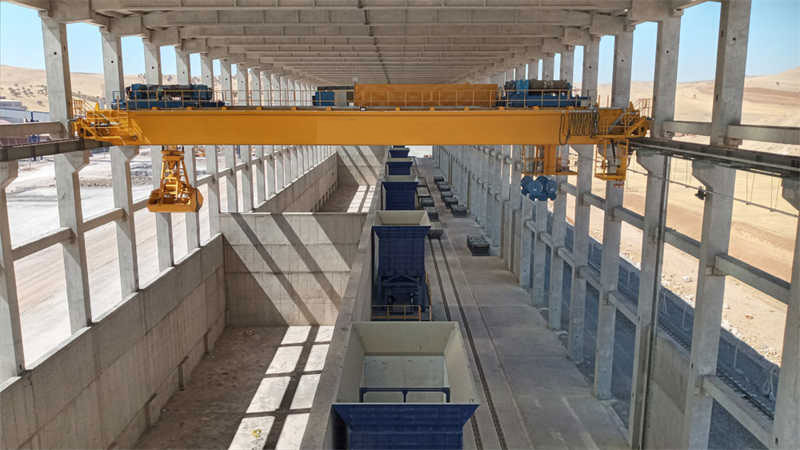
5 Reasons Metal Fabricators Need Higher Safety Factor Cranes
- Lethal Load Complexities
Unlike uniform warehouse loads, metal fabrication deals with irregularly shaped castings, unbalanced forgings, and red-hot materials. Dynamic forces from swinging or sudden shifts can multiply load impact by 1.5–2X. A crane rated for 15 tons might face 25+ tons of stress during a single lift. For facilities pouring molten metal, a single cable failure triggers explosions or fires. Higher safety factors (e.g., n≥5 vs. standard n=3) build in critical buffer zones for these unpredictable forces. - Environmental Degradation
- Dust & Corrosives: Grinding particulates penetrate motors, while chemical fumes attack steel. Standard IP44-rated components fail rapidly. Solutions like IP65 sealing (dust-tight) and corrosion-resistant coatings are non-negotiable.
- High Temperatures: Near furnaces or welding stations, ambient heat weakens steel strength by 20–30%. Dongqi’s thermistor-controlled cooling systems auto-activate fans at 60°C, preventing motor burnout.
- Humidity: In electroplating or washdown areas, humidity exceeds 100%. Moisture-resistant brakes and preheating coils in motors prevent operational failure.
- High-Cycle, High-Intensity Operations
Fabrication cranes operate 6–10 hours daily, performing hundreds of lifts. Standard M4 duty class (medium usage) accelerates fatigue. Dongqi’s cranes are built to A6/A7 duty class (heavy to continuous use), with reinforced welds and anti-fatigue steel girders to endure decades of stress. - Unplanned Impact Risks
Operator errors (e.g., abrupt stops) or load collisions generate shock loads. Standard brakes and girders lack absorption capacity. Solutions include:- Dual braking systems with fail-safe engagement
- Impact-resistant buffers on end trucks
- Overload limiters that cut power at 110% capacity
- Regulatory Survival
Lifting molten metal or critical infrastructure parts? Standards like ISO 12482 and FEM 1.001 mandate safety factors up to 50% higher than basic cranes. Non-compliance risks legal liability and shutdowns.
Dongqi’s Reinforced Single Girder Cranes: Engineered for Metalworking Extremes
Unlike off-the-shelf solutions, Dongqi Crane’s “Fortified Safety” single girder cranes integrate purpose-built features for metal fabrication’s harshest realities:
- Structural Armor:
Main girders use Q345B high-tensile steel (20% stronger than standard Q235) with thickened webs. Safety factors start at n≥4.5, exceeding ISO standards for heavy-duty loads. Finite Element Analysis (FEA) validates resilience under 150% overload tests. - Environmental Defense Systems: Hazard Protection Technology Benefit Dust IP65 motors + fully sealed cabins Prevents particulate ingress Heat (up to 60°C) Heat-reflective paint + motor cooling fans Avoids thermal deformation Corrosion Hot-dip galvanized trolleys 30% longer lifespan in acid/fume zones
- Critical Component Upgrades:
- Hoists: 8X-grade steel ropes, dual-disc brakes, and forged hooks rated 25% above nominal capacity.
- Trolleys: Large-diameter wheels (reducing rail pressure by 40%) and sealed roller bearings.
- Electrical Systems: Water-resistant pendant controls and surge-protected variable frequency drives (VFDs).
The Tangible ROI of Higher Safety Cranes
Investing in Dongqi’s engineered cranes isn’t just about compliance—it transforms operational economics:
- Zero Critical Failures: Clients report 5+ years without safety incidents after switching, slashing insurance premiums by 15–30%.
- Uptime Protection: Reduced maintenance stops + 50,000-hour component lifespans boost production continuity.
- Cost Avoidance: Prevent $500K+ incident-related losses (fines, repairs, lawsuits).
Conclusion: Safety as Your Competitive Edge
In metal fabrication, crane safety is synonymous with operational survival. Standard equipment invites risk; purpose-built cranes deliver peace of mind. Dongqi Crane’s single girder solutions—fortified for extreme loads, corrosive settings, and relentless cycles—are engineered to protect your people, productivity, and profit.
