
Lightweight Radio Remote Control 10-Ton Workshop Electric Hoist Bridge Cranes: Price and Features
Abstract
In today’s fast-paced industrial environments, efficient material handling is crucial for maintaining productivity and ensuring workplace safety. The integration of radio remote control technology with electric hoist bridge cranes has revolutionized workshop operations, offering enhanced precision and operator convenience. This article explores the technical specifications, price considerations, and selection criteria for lightweight radio remote control 10-ton workshop electric hoist bridge cranes, with a focus on Dongqi Crane’s solutions. We’ll examine how these advanced lifting systems can transform workshop operations while providing insights into cost factors to help businesses make informed purchasing decisions.
1 Introduction to Electric Hoist Bridge Cranes with Radio Remote Control
Electric hoist bridge cranes represent a significant advancement in industrial lifting technology, combining robust lifting capabilities with precise control systems. These cranes integrate electric hoists with bridge crane structures, creating a comprehensive material handling solution for various industrial settings. The addition of radio remote control technology has further enhanced their functionality, allowing operators to control lifting operations from a distance, thereby improving both safety and efficiency.
At their core, these systems consist of three main components: the bridge structure that moves along runway tracks, the hoist unit that performs the actual lifting, and the control system that coordinates these movements. When equipped with radio remote controls, operators gain the flexibility to position themselves optimally for load observation while maintaining complete control over all crane functions. This technology has proven particularly valuable in workshop environments where precision handling of heavy materials is required amidst complex layouts.
For workshops handling materials in the 10-ton range, these crane systems offer an ideal balance of lifting capacity and operational flexibility. The 10-ton capacity covers a wide range of industrial applications, from manufacturing and assembly to warehousing and maintenance operations. Meanwhile, the remote control functionality addresses the challenge of limited visibility that often accompanies traditional pendant-controlled systems, especially when handling large loads that might obstruct the operator’s view.
2 Types of 10-Ton Electric Hoists for Bridge Cranes
2.1 Electric Chain Hoists vs. Wire Rope Hoists
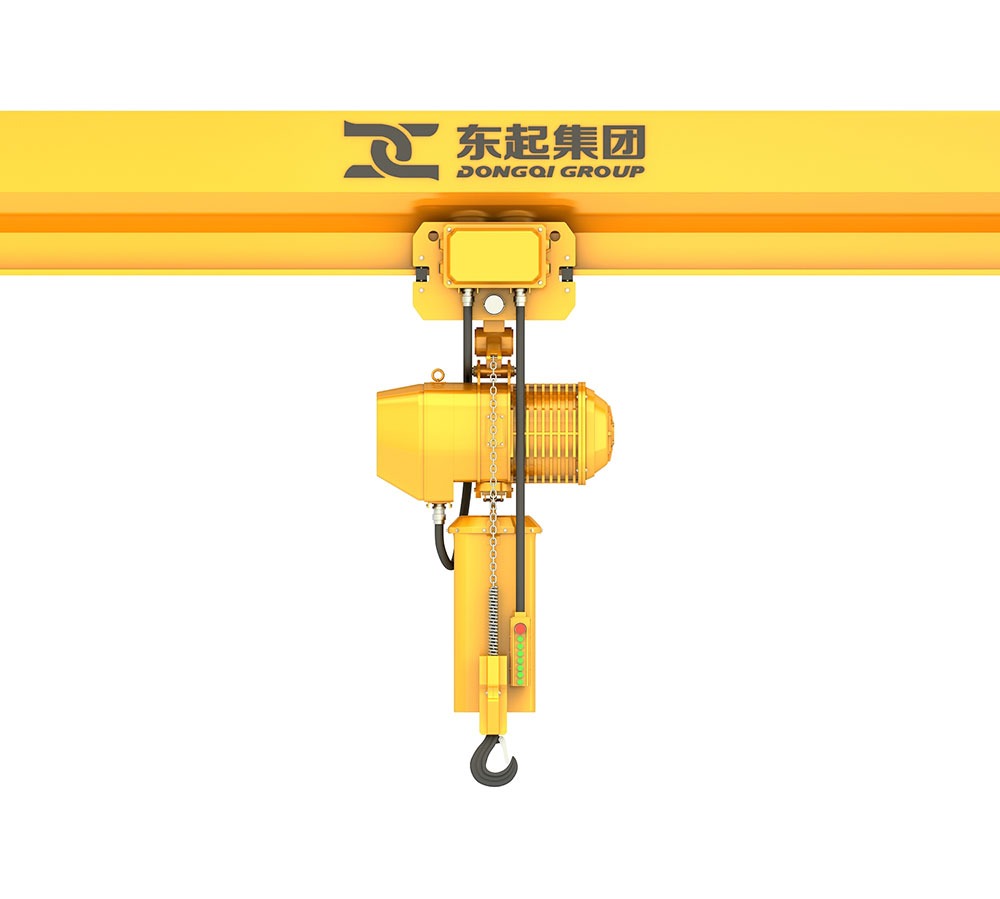
When selecting a 10-ton electric hoist for bridge crane applications, one of the primary considerations is the choice between chain and wire rope systems. Electric chain hoists utilize a chain as the lifting medium and are known for their robustness and durability in various workshop conditions . These hoists are typically more compact and cost-effective, making them suitable for applications where space constraints or budget limitations exist. The chain mechanism provides reliable performance for regular lifting tasks, though it may require more maintenance in environments with excessive dust or debris that could affect chain articulation.
In contrast, wire rope hoists employ steel cables for lifting and are valued for their smoother operation and better suitability for higher lifting heights . The wire rope construction typically offers greater flexibility and is less prone to damage from shock loads, making these hoists ideal for applications requiring precise positioning or involving more demanding duty cycles. For a 10-ton workshop crane, wire rope hoists often represent the premium choice, especially in environments where operational smoothness and minimal maintenance are priorities.
2.2 Specialized Hoist Variants
Beyond the basic distinction between chain and rope systems, several specialized hoist types cater to specific workshop requirements:
- Double-Speed Wire Rope Hoists: These systems offer both high and low-speed settings, providing greater control over lifting operations . This versatility is particularly valuable in workshop environments where precision positioning of loads is as important as raw lifting capacity. The ability to switch to a slower speed when approaching final positioning can significantly enhance operational accuracy and safety.
- Explosion-Proof Electric Hoists: Designed for workshops handling flammable materials or operating in potentially hazardous environments, these hoists prevent the risk of sparks or ignition . They feature specially engineered components that contain any potential electrical arcs or high surface temperatures, making them essential for industries such as petrochemicals, painting facilities, or grain processing plants.
- European-Spec Electric Hoists: Built to comply with stringent European safety and quality standards, these hoists incorporate advanced safety features and precision engineering . While often commanding a premium price, they offer enhanced reliability and safety certifications that may be necessary for certain industries or geographic markets.
- Metallurgical Electric Hoists: Specifically engineered to withstand the harsh conditions found in metal processing workshops, these hoists feature corrosion-resistant components and enhanced thermal protection . Their specialized design ensures reliable performance in high-temperature environments where conventional hoists might fail prematurely.
3 Radio Remote Control System for Electric Hoist Cranes
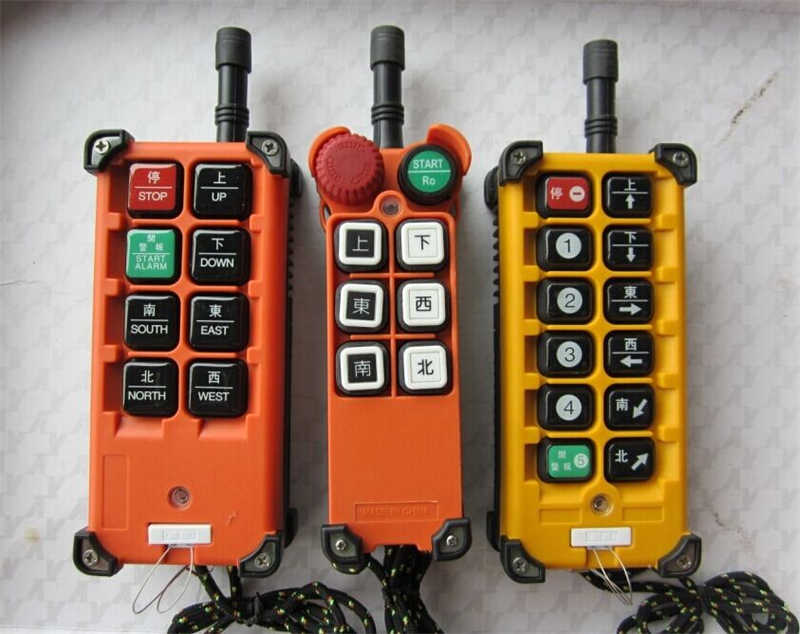
The integration of radio remote control systems has transformed how operators interact with hoist bridge cranes, offering unprecedented flexibility and safety improvements. These wireless systems utilize radio frequency technology to transmit control commands from a handheld transmitter to a receiver unit mounted on the crane . This eliminates the need for physical pendant stations and allows operators to position themselves wherever they have the best view of the lifting operation.
Modern radio remote controls for 10-ton electric hoist cranes typically feature an ergonomic design with clearly marked buttons for all crane functions: hoisting and lowering, bridge travel, and trolley motion (if equipped). Safety features commonly include emergency stop buttons, keyed switches to prevent unauthorized operation, and water-resistant or dust-proof housing for reliability in harsh workshop environments . Some advanced systems also incorporate feedback mechanisms that alert operators to low battery conditions or signal loss.
The advantages of radio remote control systems are particularly evident in workshop applications:
- Enhanced Safety: Operators can position themselves away from the load path and potential hazard zones, reducing the risk of injury from falling objects or crushing incidents .
- Improved Visibility: Without being tethered to a fixed control point, operators can move to positions that offer the best view of both the load and the destination, resulting in more precise placements and reduced risk of collateral damage.
- Reduced Operator Fatigue: The freedom of movement allows operators to adjust their position for better ergonomics, potentially reducing fatigue during extended operations .
- Increased Efficiency: With direct visual oversight and immediate control response, lifting cycles can be completed more quickly and accurately, contributing to enhanced workshop productivity.
When considering radio remote controls for 10-ton workshop cranes, it’s important to evaluate the system’s operating range, battery life, and compatibility with the specific hoist and crane system. Additionally, verification of compliance with local radio frequency regulations is essential to ensure uninterrupted operation.
4 Price Analysis of 10-Ton Electric Hoist Bridge Cranes
4.1 Base Equipment Costs
The pricing for 10-ton electric hoist bridge cranes with radio remote control varies significantly based on configuration, quality, and additional features. For a standard 10-ton electric wire rope hoist alone, prices typically range from $15,000 to $35,000 . This price variation reflects differences in lifting height, duty cycle rating, speed capabilities, and safety features incorporated into the hoist design.
When considering a complete bridge crane system with a 10-ton capacity, the total investment increases substantially. A single girder overhead crane system with a 10-ton capacity typically ranges from $4,000 to $20,000 for the basic structure , to which the cost of the hoist unit must be added. Complete 10-ton overhead crane systems with all components typically represent an investment of $20,000 to $55,000 depending on specifications .
The following table breaks down approximate price ranges for different 10-ton hoist configurations:
| Hoist Type | Price Range | Key Features |
|---|---|---|
| Electric Wire Rope Hoist (10-ton) | $1,000 – $3,000 | Smooth operation, suitable for higher lifting heights |
| Electric Chain Hoist (10-ton) | $1,000 – $3,000 | Robust construction, cost-effective for standard applications |
| European-Spec Hoist (10-ton) | $3,000 – $5,000+ (premium over standard models) | Higher safety standards, compact design, precise control |
| Radio Remote Control System | $500 – $2,000+ (added to base hoist price) | Wireless operation, enhanced safety, operator mobility |
4.2 Factors Influencing Price
Several technical and specification factors significantly impact the final price of a 10-ton electric hoist bridge crane system:
- Lifting Height: The required vertical distance for lifting directly affects price, with greater heights necessitating more cable or chain, larger drums, and potentially more powerful motors . For a 10-ton hoist, prices increase progressively as lifting height extends beyond standard offerings.
- Duty Cycle and Work Class: Hoists rated for more intensive duty cycles (e.g., Class A4, A5, or M5, M6) command premium prices due to their heavy-duty components and enhanced thermal protection . Systems designed for continuous operation in demanding environments require more robust construction, reflected in their higher cost.
- Control Sophisticication: While basic pendant controls are often included in standard pricing, radio remote control systems typically add $500 to $2,000 to the total cost, depending on the system’s range, features, and certification . More advanced controls with variable speed capabilities or programmable functions further increase the investment.
- Power Supply Requirements: Hoists designed for standard workshop power supplies (e.g., 220-480V/3/50) are generally more affordable than those requiring specialized power systems . Any necessary power infrastructure modifications should be considered in the total project budget.
- Safety Features: Additional safety systems such as overload protection, redundant braking systems, and advanced limit switches contribute to a higher initial cost but offer valuable risk mitigation .
5 Advantages of Lightweight Radio Remote Control Systems
The incorporation of lightweight radio remote control systems in 10-ton workshop electric hoist bridge cranes delivers substantial benefits across multiple aspects of workshop operations. One of the most significant advantages is the enhanced operational safety achieved by allowing operators to position themselves away from potentially hazardous areas . Without being tethered to a pendant station, operators can avoid standing under suspended loads or in pinch points between moving equipment and fixed structures. This remote operation capability is particularly valuable when handling awkward or oversized loads that might behave unpredictably during movement.
Beyond safety improvements, radio remote controls contribute meaningfully to workshop productivity. The freedom of operator movement enables optimal positioning for each phase of the lifting operation – from attachment through movement to precise placement. This typically results in faster cycle times and reduced positioning errors that might otherwise require time-consuming corrections. The immediacy of control response allows for finer adjustments than might be possible with traditional control methods, especially when the operator’s view would otherwise be obstructed.
The ergonomic benefits of modern lightweight remote controls should not be underestimated. These compact, well-balanced units are designed for comfortable extended use, with intuitively placed controls that minimize hand strain and fatigue. Unlike pendant stations that may require operators to assume awkward positions to maintain visibility, remote controls allow for natural postures and position changes throughout the workday. This ergonomic advantage can lead to reduced operator fatigue and potentially lower incidence of work-related musculoskeletal disorders .
From an operational flexibility perspective, radio remote systems offer distinct advantages in dynamic workshop environments. A single operator can potentially manage multiple crane systems without needing to travel to fixed control stations, and the same control unit can often be programmed to operate several compatible crane systems. This versatility is particularly valuable in facilities with fluctuating production demands or diverse lifting requirements across different work zones.
6 Key Considerations When Selecting a 10-Ton Workshop Electric Hoist Bridge Crane
6.1 Technical Specifications
Selecting the appropriate 10-ton electric hoist bridge crane requires careful evaluation of several technical parameters to ensure optimal performance in your specific workshop environment:
- Load Capacity and Usage Patterns: While the 10-ton rating indicates maximum capacity, consider the frequency of maximum loads versus typical working loads. If regularly lifting near the 10-ton limit, a hoist with a more robust duty cycle (e.g., M5 or M6) is advisable . For occasional heavy lifts with mostly lighter loads, a standard duty (M4) hoist may suffice, offering potential cost savings.
- Lifting Height Requirements: Accurately assess the required vertical travel distance between the hook’s lowest and highest positions . Insufficient lifting height can render a crane unusable for certain applications, while excessive height adds unnecessary cost. Remember to consider any below-hook attachments that reduce effective lifting height.
- Control System Preferences: Evaluate the choice between pendant control and radio remote control based on your specific operational needs . While radio remote systems offer greater flexibility, pendant controls may be more cost-effective for applications with limited operator movement requirements. Consider that radio remote systems typically add $500-$2,000 to the overall cost but provide enhanced operator positioning capabilities.
- Power Supply Compatibility: Verify that the hoist’s voltage and phase requirements (typically 220-480V/3/50 for industrial models) match your workshop’s available power . Retrofitting power supplies can significantly increase project costs, making compatibility a crucial selection factor.
6.2 Structural and Environmental Factors
The physical characteristics of your workshop space and the operating environment significantly influence crane selection:
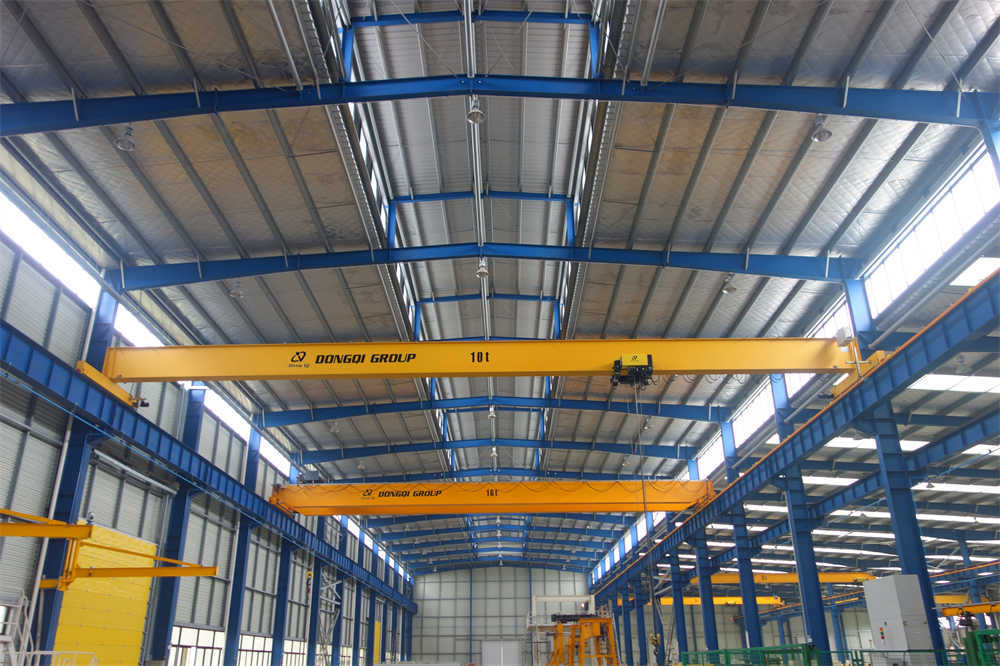
- Workspace Dimensions: Evaluate the available headroom when considering low-headroom versus standard hoist designs . Measure the span between runway supports to ensure compatibility with standard crane dimensions or budget for custom engineering. Limited headroom spaces may require specialized compact hoist designs that typically command a 10-20% price premium.
- Environmental Conditions: Assess potential exposure to temperature extremes, moisture, corrosive substances, or combustible atmospheres . Harsh environments may necessitate specialized hoists such as corrosion-resistant models for metallurgical applications or explosion-proof units for hazardous locations, with prices ranging from $2,000 to $10,000 above standard models .
- Mounting and Support Structures: Determine whether existing building structures can support the crane system or if reinforcement or dedicated support structures are required . The cost of structural modifications can sometimes exceed the crane system itself, making early assessment critical for budget accuracy.
- Future Expansion Considerations: If workshop expansion or process changes are anticipated, consider selecting a system with modular design that facilitates future reconfiguration or capacity upgrades. While potentially increasing initial investment, this forward-thinking approach may provide significant long-term savings.
7 Why Choose Dongqi 10-Ton Electric Hoist Bridge Cranes
Dongqi Crane brings substantial expertise to the design and manufacturing of 10-ton electric hoist bridge cranes, leveraging their experience as a Sino-New Zealand joint venture with advanced European technology . Their comprehensive understanding of industrial lifting applications across various sectors enables them to provide solutions tailored to specific workshop requirements. With a manufacturing facility covering 240,000 square meters and employing over 3,600 personnel, Dongqi maintains substantial production capacity while implementing rigorous quality control processes .
One of Dongqi’s key strengths lies in their customization capabilities for 10-ton hoist crane systems. They recognize that each workshop presents unique challenges and requirements, offering tailored solutions based on specific parameters such as lifting height, power supply, duty cycle, and environmental conditions . This approach ensures that customers receive systems optimized for their particular applications rather than generic one-size-fits-all solutions.
Dongqi’s product development benefits from technological collaborations with renowned European component manufacturers including Britain SZW, German NORD, Siemens, and French Schneider . These partnerships enable the integration of high-quality components that enhance reliability and performance while potentially reducing long-term maintenance requirements. The company’s commitment to international standards is demonstrated through certifications including ISO 9001, ISO 14001, and OHSAS 18001, providing assurance of manufacturing quality and consistency .
From a service perspective, Dongqi provides comprehensive support throughout the project lifecycle, from initial consultation and design through installation and post-commission maintenance . Their global experience supplying equipment to over 80 countries has equipped them with valuable insights into diverse industrial requirements and regional compliance considerations . This international exposure, combined with their technical capabilities, positions them as a competitive option for businesses seeking reliable 10-ton electric hoist bridge cranes with radio remote control functionality.
8 Conclusion
The integration of lightweight radio remote control systems with 10-ton electric hoist bridge cranes represents a significant advancement in workshop material handling technology. These systems combine substantial lifting capacity with enhanced operational flexibility and improved safety features, addressing the core needs of modern industrial facilities. The pricing for these systems, typically ranging from $20,000 to $55,000 for complete setups, reflects their sophisticated engineering and capability to transform workshop efficiency.
When considering implementation, businesses should carefully evaluate their specific requirements including load characteristics, usage patterns, workspace constraints, and environmental conditions. The selection between chain and wire rope hoists, standard versus premium features, and pendant versus radio remote controls should align with both immediate operational needs and long-term business objectives. Partnering with an experienced manufacturer like Dongqi Crane can provide valuable guidance through this selection process, potentially optimizing both initial investment and long-term operational costs.
As industrial operations continue to evolve toward greater efficiency and enhanced workplace safety, radio remote-controlled electric hoist bridge cranes offer a compelling solution for businesses seeking to modernize their material handling capabilities. The demonstrable benefits in productivity, safety, and operational flexibility make these systems a worthwhile consideration for any workshop regularly handling materials in the 10-ton range.
