
Electromagnetic vs. Permanent Magnetic vs. Vacuum Lifters: How to Choose the Best Crane Grabber for Your Application
Subtitle:A Comprehensive Guide by Dongqi Crane to Optimize Your Material Handling Efficiency and Safety
In the world of modern material handling, efficiency, safety, and reliability are paramount. Choosing the right lifting equipment is a critical decision that impacts your entire operation. While cranes provide the muscle, the end-effector—the grabber or lifter—is the hand that directly interacts with the load. Among the most advanced and efficient options are magnetic and vacuum lifters.
At Dongqi Crane, we don’t just provide cranes; we provide complete lifting solutions. This guide will delve into the three main types of advanced lifters—Electromagnetic, Permanent Magnetic, and Vacuum—to help you select the perfect one for your specific needs.
Understanding the Core Technologies
Each type of lifter operates on a different physical principle, leading to distinct advantages and limitations.
1. Electromagnetic Lifters (Electromagnetic Chuck)
- How they work: These lifters use a powerful electromagnet created by passing an electrical current through a coiled wire. The magnetic field is generated only when the power is on, instantly latching onto ferromagnetic materials (iron, steel). The load is released by cutting the power.
- Key Features:
- Requires a DC power source, typically provided by the crane or a separate control unit.
- Variable lifting force can be controlled by adjusting the current, allowing for handling of a range of thicknesses.
- Inherent safety feature: A power failure or emergency stop will cause the magnet to de-energize and drop the load. (Note: This is a critical safety consideration; it requires backup systems for certain applications).

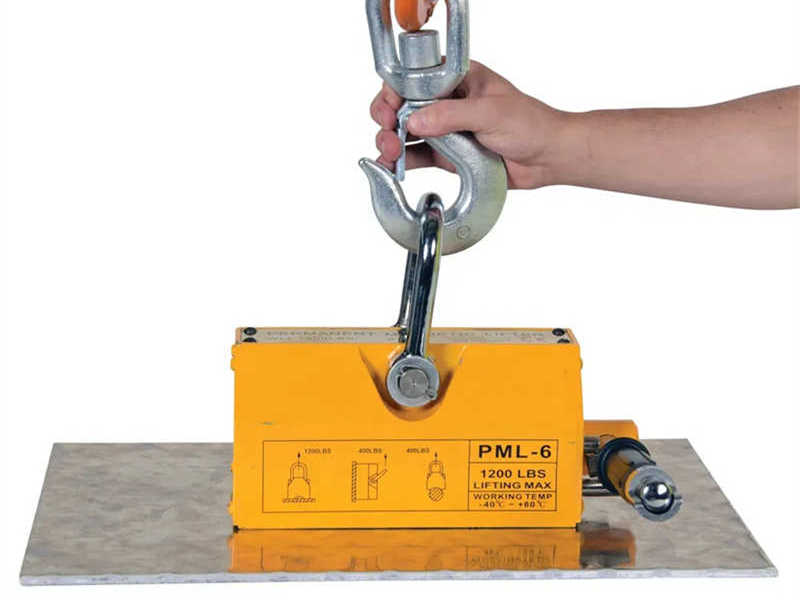
2. Permanent Magnetic Lifters (Permanent Magnet Chuck)
- How they work: As the name suggests, these lifters use the persistent magnetic field of high-grade permanent magnet materials (like Rare-Earth magnets). They require no external power. The engagement and release are mechanically controlled, often by rotating internal magnets to either concentrate the field on the load (ON) or divert it internally (OFF).
- Key Features:
- Zero energy consumption. They operate independently of external power.
- Fail-safe operation: In the event of a plant power failure, the magnet remains engaged, preventing accidental load drops.
- Environmentally resilient, well-suited for wet, dusty, or outdoor conditions where electricity is a concern.
3. Vacuum Lifters (Vacuum Cup Lifter / Vacuum Hoist)
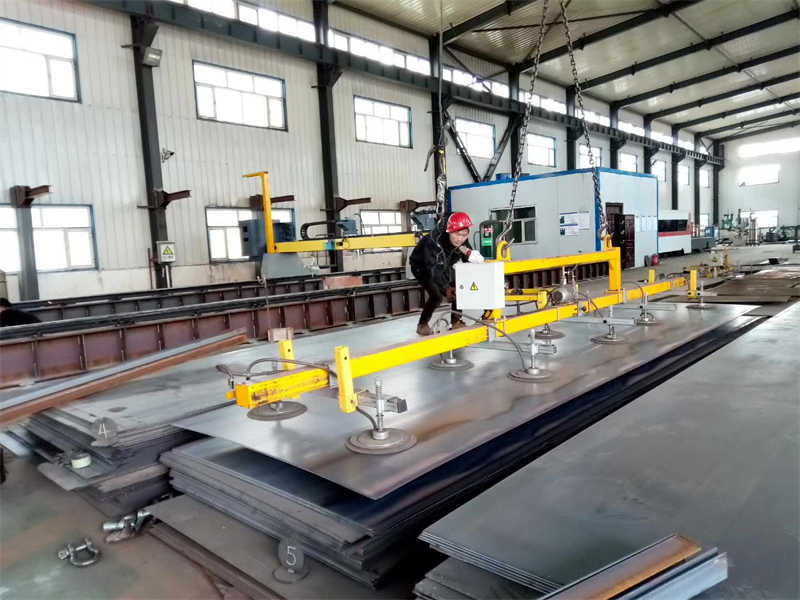
- How they work: These lifters use one or multiple suction cups (pads) attached to the load surface. A vacuum pump (electrical or pneumatic) evacuates the air from the cups, creating a pressure differential that atmospheric pressure uses to clamp the load securely. Breaking the vacuum releases the load.
- Key Features:
- Material versatility: Can handle non-porous materials like steel, glass, plastics, stone, and wood.
- Gentle handling: Ideal for polished, delicate, or fragile surfaces (e.g., stainless steel sheets, glass panels) as there is no scratching from magnetic fields.
- Requires a vacuum generation system (electric pump, ejector) and a reliable sealing surface.
Comparison Table: At a Glance
| Feature | Electromagnetic Lifter | Permanent Magnetic Lifter | Vacuum Lifter |
|---|---|---|---|
| Power Source | Requires DC Electricity | No Power Required | Requires Electricity or Air |
| Load Type | Ferromagnetic only (Steel, Iron) | Ferromagnetic only (Steel, Iron) | Non-porous surfaces (Steel, Glass, Plastic, Stone) |
| Lifting Force | Adjustable, Very High | Fixed, High | Fixed, depends on cup size & count |
| Safety on Power Loss | Drops Load (Needs Backup) | Holds Load (Fail-Safe) | Holds Load for a short time (with check valves) |
| Operating Cost | Higher (energy consumption) | Very Low | Medium (energy/air, seal replacement) |
| Ideal For | Scrap yards, foundries, heavy steel plates | General steel handling, warehouses, outdoor yards | Finished products, delicate surfaces, non-magnetic materials |
How to Choose: Key Selection Criteria for Your Crane
Ask yourself these questions to determine the best solution:
1. What are you lifting?
- Material: Is it magnetic steel? If yes, both electromagnetic and permanent magnets are options. If it’s aluminum, glass, plastic, or stone, a vacuum lifter is your only choice from this list.
- Surface Quality: For pristine, painted, or delicate surfaces where scratches must be avoided, vacuum lifters are superior. For rough steel plate or scrap, magnetic lifters are ideal.
- Load Weight & Geometry: Magnetic lifters excel with very heavy, thick plates. Vacuum lifters are superb for large, thin sheets that might flex.
2. What is your operational environment?
- Power Availability: Do you have a reliable power source on the crane? If not, a permanent magnet lifter is the obvious choice.
- Environment: Is it outdoors, wet, or dusty? Permanent magnets are exceptionally robust in harsh conditions. Electromagnets can be used but require protected systems. Vacuum systems can be affected by moisture and rough surfaces that break the seal.
3. What are your safety and redundancy requirements?
- Fail-Safe Need: If you are lifting loads over critical areas or cannot risk a drop under any circumstances, the permanent magnet’s inherent fail-safe is a major advantage. Electromagnets require a backup battery system to be safe for such duties.
- Control: Do you need to vary the lifting power for different thicknesses? An electromagnet offers this flexibility.
4. What is your total cost of ownership (TCO) perspective?
- While the initial investment varies, consider long-term costs. Permanent magnets have almost zero operating costs. Electromagnets consume power continuously. Vacuum lifters require maintenance on pumps and periodic replacement of suction seals.
Why Partner with Dongqi Crane?
Selecting the right grabber is a complex decision that integrates deeply with your crane’s design and control system. Dongqi Crane offers more than just equipment; we offer expertise.
- Integrated Solutions: We can design and supply your overhead or gantry crane complete with the optimally matched lifter, ensuring perfect compatibility and performance.
- Expert Consultation: Our engineering team will work with you to analyze your application, material, and environment to recommend the most efficient and cost-effective solution.
- Quality & Reliability: All our equipment, from the crane structure to the lifter system, is built to the highest international standards, ensuring durability and safety.
Ready to Optimize Your Lifting Process?
Don’t leave your productivity and safety to chance. Contact the Dongqi Crane experts today for a personalized consultation. Let us help you choose the perfect grabbing solution to lift your business to new heights of efficiency.
Keywords: Crane Grabber, Magnetic Lifter, Vacuum Lifter, Electromagnetic Chuck, Permanent Magnet Lifter, Vacuum Hoist, Material Handling, Steel Lifting, Overhead Crane, Gantry Crane, Dongqi Crane, Lifting Solution, Factory Safety, Load Handling.
