
Electric Hoist vs. Chain Hoist: How to Choose for Your Single Girder Crane?
When equipping your single girder overhead crane, selecting the right hoist is crucial for operational efficiency, safety, and cost-effectiveness. At Dongqi Crane, we understand this critical decision impacts your daily operations. This comprehensive guide compares electric and chain hoists to help you make the best choice for your needs.
Understanding Hoists for Single Girder Cranes
Single girder cranes are versatile material handling solutions used across industries. The hoist you choose – whether electric or chain – significantly affects performance. Let’s examine both options in detail.
Electric Hoists: Power and Precision
What is an Electric Hoist?
Electric hoists are motor-driven lifting devices that use either wire ropes or chains. They’re the workhorses of modern industrial operations, offering reliable performance for frequent lifting tasks.
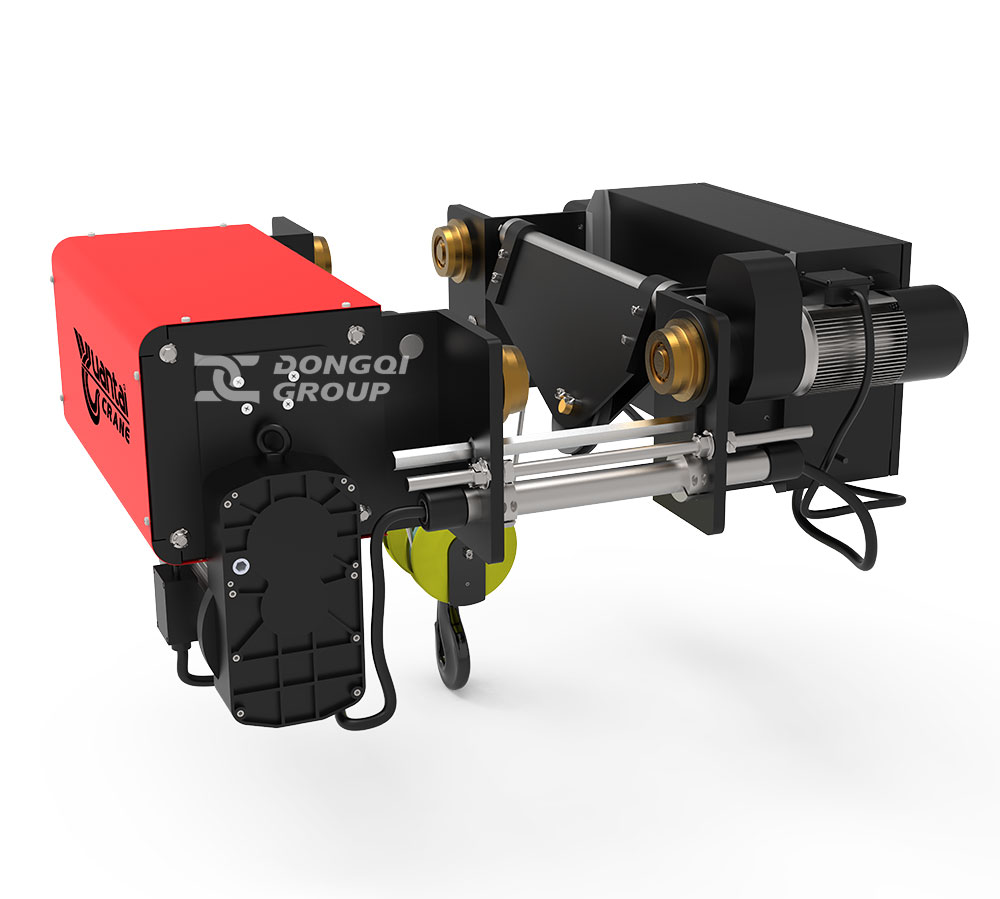
Key Components:
- Electric motor (AC/DC options)
- Gear reduction system
- Braking mechanism
- Wire rope or load chain
- Control system
Performance Characteristics
- Lifting Capacity: 0.25 to 100 tons
- Lifting Speed: 8-20 m/min (variable speed options available)
- Power Requirements: Typically 3-phase 380V/50Hz or customized voltages
Advantages of Electric Hoists
- Higher Efficiency: Faster lifting speeds increase productivity
- Precision Control: Smooth operation ideal for delicate positioning
- Reduced Labor: Minimal physical effort required from operators
- Versatility: Can handle both heavy and light loads effectively
- Safety Features: Built-in overload protection and emergency stops
Limitations to Consider
- Higher initial investment
- Requires reliable power supply
- More complex maintenance requirements
- Heavier than chain hoists
Ideal Applications
- Automotive assembly lines
- Steel fabrication shops
- Power plant maintenance
- Continuous production environments
- High-precision manufacturing
Chain Hoists: Simplicity and Reliability
What is a Chain Hoist?
Chain hoists use a manual or motorized chain system for lifting. They’re known for their simplicity and reliability in various industrial settings.
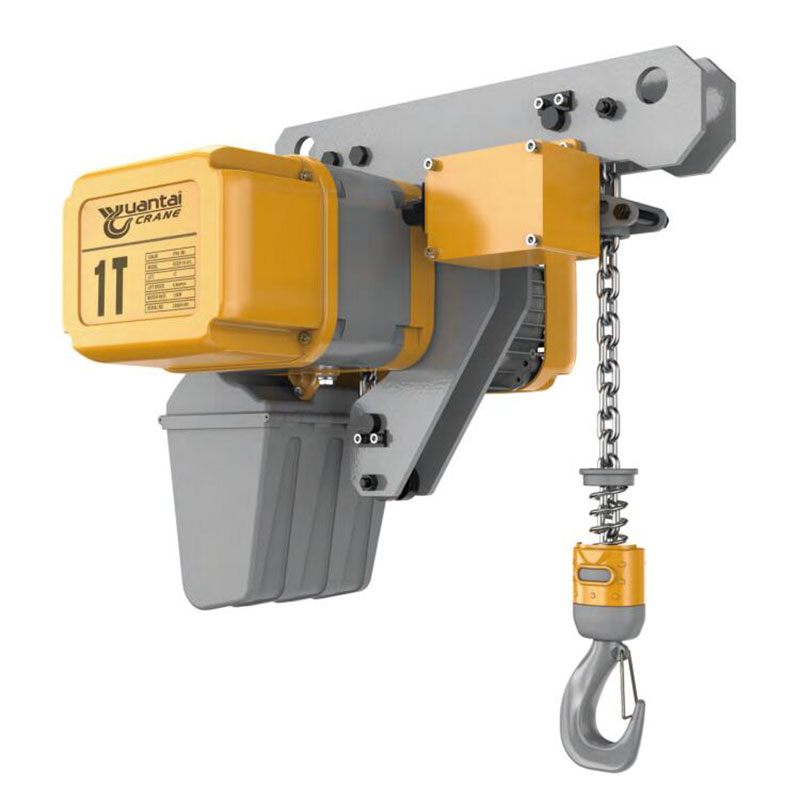
Key Variants:
- Manual Chain Hoists (Lever or Hand Chain)
- Electric Chain Hoists
Performance Characteristics
- Lifting Capacity: 0.5 to 20 tons
- Lifting Speed: 3-8 m/min (electric models)
- Power Options: Manual operation or electric motor
Advantages of Chain Hoists
- Cost-Effective: Lower initial purchase price
- Compact Design: Fits in tight spaces
- Power Flexibility: Manual versions work without electricity
- Durability: Simple construction means fewer breakdowns
- Easy Maintenance: Fewer components to service
Limitations to Consider
- Slower operation speeds
- Limited to medium-duty applications
- Manual versions require physical effort
- Less precise than electric hoists
Ideal Applications
- Maintenance and repair shops
- Small manufacturing facilities
- Construction sites with limited power
- Occasional lifting needs
- Budget-conscious operations
Head-to-Head Comparison
| Feature | Electric Hoist | Chain Hoist |
|---|---|---|
| Max Capacity | Up to 100 tons | Up to 20 tons |
| Lifting Speed | 8-20 m/min | 3-8 m/min |
| Precision | High (VFD options) | Moderate |
| Installation Cost | Higher | Lower |
| Maintenance | More complex | Simpler |
| Power Needs | Requires electricity | Manual options available |
| Lifespan | 10-15 years | 15-20 years |
| Noise Level | Moderate | Quieter |
| Footprint | Larger | More compact |
Choosing the Right Hoist: Key Considerations
1. Assess Your Lifting Requirements
- Frequency: Electric hoists excel in continuous operation
- Load Weight: Chain hoists suit lighter, occasional lifts
- Precision Needs: Electric offers finer control
2. Evaluate Your Workspace
- Power Availability: No power? Manual chain hoist may be best
- Space Constraints: Chain hoists fit tighter spaces
- Height Limitations: Consider hook approach distances
3. Budget Analysis
- Initial Cost: Chain hoists typically cheaper upfront
- Operating Costs: Electric hoists save on labor long-term
- Maintenance: Chain hoists often have lower service costs
4. Safety and Compliance
- Regulatory Requirements: Some industries mandate specific hoist types
- Operator Safety: Electric hoists reduce physical strain
- Environment: Hazardous locations may need special certifications
Why Choose Dongqi Crane Hoists?
At Dongqi Crane, we offer premium hoist solutions tailored to your single girder crane needs:
- Custom Engineering: Hoists configured for your specific application
- Quality Assurance: ISO 9001 certified manufacturing
- Comprehensive Support: Installation, training, and maintenance services
- Competitive Pricing: Cost-effective solutions without compromising quality
- Global Experience: Trusted by clients worldwide across industries
Maintenance Tips for Your Hoist
Electric Hoists:
- Regular lubrication of moving parts
- Inspection of electrical components
- Monitoring of brake performance
- Checking wire rope/chain condition
Chain Hoists:
- Frequent chain lubrication
- Inspection for wear and deformation
- Load testing after extended use
- Cleaning to remove debris
Conclusion: Making the Right Choice
The decision between an electric and chain hoist depends on your specific operational needs:
Choose an Electric Hoist if:
- You handle frequent, heavy lifts
- Precision positioning is critical
- Your facility has reliable power
- Productivity is a top priority
Choose a Chain Hoist if:
- Your lifting needs are occasional
- Budget constraints exist
- Power availability is limited
- Space is at a premium
At Dongqi Crane, our experts can help you select the perfect hoist for your single girder crane system. Contact us today for a free consultation and quote tailored to your requirements.
Call to Action:
Ready to optimize your material handling? Reach out to Dongqi Crane’s technical team at [contact information] for personalized hoist recommendations and competitive pricing on high-quality lifting solutions.
