
50t Rail Traveling Double Girder Gantry Crane Price and Comprehensive Guide
Introduction
The 50t rail traveling double girder gantry crane represents a significant category of heavy-duty lifting equipment designed for efficient material handling in various industrial settings. Characterized by its robust double girder construction and rail-based mobility system, this crane type offers enhanced stability, precise load control, and reliable performance for handling substantial weights. As a leading manufacturer in the material handling industry, Dongqi Crane provides comprehensive solutions for businesses seeking reliable 50-ton gantry crane systems. This article will explore the technical specifications, pricing factors, applications, and key considerations when purchasing a 50t rail traveling double girder gantry crane, providing valuable insights for procurement decision-makers.
Key Specifications and Technical Parameters
The 50t rail traveling double girder gantry crane is engineered with specific technical characteristics that define its operational capabilities. Understanding these parameters is essential for proper crane selection and deployment.
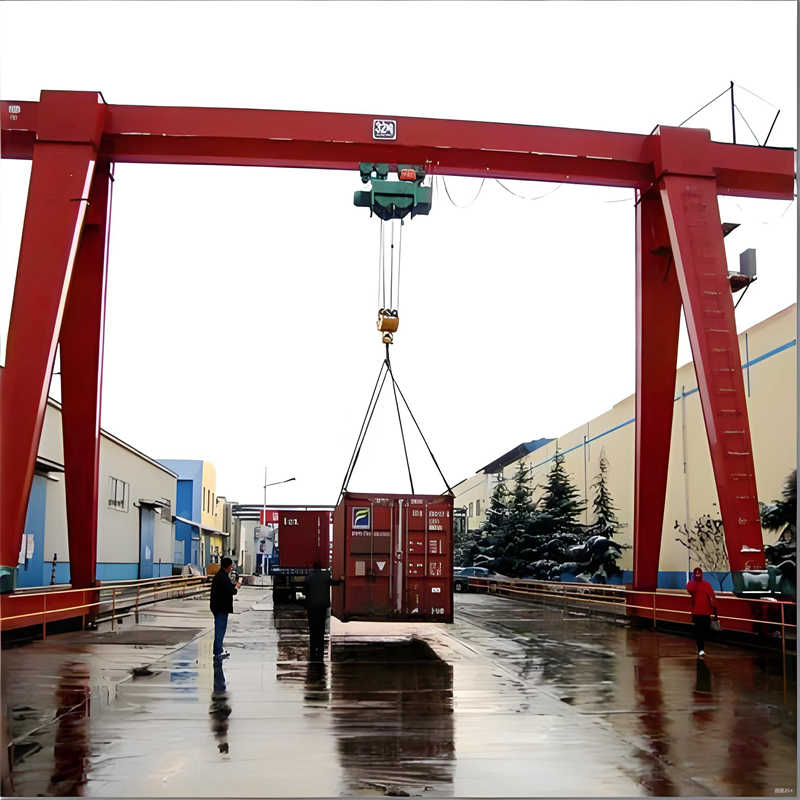
Structural Configuration and Load Capacity
The double girder design forms the core structural element of this crane type, providing superior strength and stability compared to single girder alternatives. This configuration features two parallel girders supported by vertical legs that travel along fixed rail tracks. The primary advantage of this design is its ability to handle heavier loads with increased stability, making it particularly suitable for rigorous industrial applications requiring precise load control.
The rated lifting capacity of 50 tons represents the maximum safe working load the crane can handle. It’s crucial to note that this capacity includes not only the actual payload but also the weight of any lifting attachments such as hooks, slings, or specialized lifting devices. For safety reasons, the crane must never bear more than 50 tons of weight during operation.
Dimensional Parameters and Performance Specifications
The span of a gantry crane, defined as the horizontal distance between the rail tracks, typically ranges from 18 to 35 meters for standard models. However, custom spans can be engineered to meet specific operational requirements. The lifting height, which determines how high the hook can elevate above ground level, generally falls between 6 to 30 meters depending on the specific model and customization.
Performance metrics include lifting speed (approximately 5.9 m/min for standard 50t models), trolley traveling speed (typically 38.5 m/min), and crane traveling speed (around 44 m/min). These speed parameters can be adjusted through variable frequency drives (VFDs) to ensure smooth acceleration and deceleration, minimizing load swing during operation.
Power Systems and Operational Controls
The crane typically operates on a 3-phase AC power supply, with standard voltage of 380V at 50Hz. Control options include pendant stations, cabin operation with ergonomic controls, and increasingly popular wireless remote control systems that allow operators to control the crane from optimal vantage points. The rail traveling mechanism employs robust travel wheels and motors designed to move the entire crane structure along the fixed rail track system, which typically uses QU80 type tracks.
Comprehensive Pricing Analysis
The price of a 50t rail traveling double girder gantry crane varies significantly based on multiple factors, with standard models typically ranging from $15,000 to $130,000 for basic configurations. More specialized models with advanced features or customizations can reach $500,000 or more, particularly for applications requiring sophisticated control systems or specialized components.
Primary Cost Factors
- Lifting Capacity and Span: The 50-ton capacity establishes the base price range, while the span length directly impacts cost. Longer spans require heavier and more robust structural components, increasing both material and manufacturing costs.
- Lifting Height: Greater lifting heights necessitate more hoisting rope and structural reinforcement, contributing to higher prices.
- Duty Classification: Cranes classified for higher duty cycles (A6-A7) command premium pricing compared to standard (A5) duty models due to their enhanced components and structural reinforcements.
- Control Systems: Basic pendant controls represent the most economical option, while cabin controls and wireless remote systems increase costs. Advanced automation features can significantly increase the overall investment.
Additional Cost Considerations
Beyond the base crane price, several additional factors impact the total investment:
- Rail Track Installation: The cost of installing proper rail tracks and foundations can represent a substantial portion of the overall project budget.
- Customization Expenses: Special requirements such as explosion-proof configurations, specialized lifting attachments, or environmental protections add to the total cost.
- Shipping and Installation: Transportation of large crane components and professional installation services contribute to the final project cost.
- Certification and Compliance: Meeting specific regional or industry standards may require additional engineering and documentation, impacting the overall price.
Applications Across Industries
The 50t rail traveling double girder gantry crane serves numerous industrial sectors where heavy lifting capabilities are required within a fixed operational area defined by rail tracks.
Heavy Manufacturing and Steel Industry
In steel plants and heavy manufacturing facilities, these cranes handle raw materials, process components, and finished products. Specific applications include steel coil handling, plate maneuvering in rolling mills, and positioning large structural elements during fabrication. The double girder design provides the necessary stability for handling these substantial, often unbalanced loads.
Energy and Infrastructure Sector
Power generation facilities utilize 50t gantry cranes for turbine installation, generator positioning, and transformer handling. The precise control capabilities enable accurate placement of these critical components during installation and maintenance operations. In infrastructure projects, these cranes facilitate the handling of precast concrete elements and bridge girders, significantly improving project efficiency.
Port and Intermodal Operations
While rubber-tired gantry cranes (RTGs) are common in container yards, rail mounted gantry cranes (RMGs) offer advantages for specific port applications, particularly for heavy cargo handling and project cargo operations where precise positioning is required within fixed working areas.
Shipbuilding and Heavy Equipment Manufacturing
Shipyards employ 50t gantry cranes for hull section assembly, engine installation, and propeller mounting. The rail-based system provides comprehensive coverage of large assembly areas, while the double girder configuration offers the hook height necessary for handling tall ship components.
Key Advantages and Technical Features
The 50t rail traveling double girder gantry crane offers several distinct advantages that make it a preferred choice for heavy-duty material handling applications.
Structural Integrity and Load Stability
The double girder configuration provides significantly enhanced structural rigidity compared to single girder designs. This results in minimal deflection under load, ensuring smooth and stable load movement. The increased structural strength also translates to improved safety margins and reduced long-term maintenance requirements.
Operational Efficiency Features
Modern 50t gantry cranes incorporate numerous features that enhance operational efficiency:
- Variable Frequency Drives (VFDs): Enable smooth acceleration and deceleration, reducing load swing and enabling precise positioning.
- Advanced Control Systems: Programmable Logic Controller (PLC) based systems provide precise control over all crane functions and enable integration with facility management systems.
- Ergonomic Operator Interfaces: Designed to reduce operator fatigue and enhance productivity through intuitive control layouts and improved visibility.
Customization and Adaptability
Dongqi’s 50t gantry cranes can be customized with various features to suit specific operational requirements:
- Specialized Lifting Attachments: Options include electromagnetic chucks for handling ferrous materials, grab buckets for bulk materials, and specialized hooks for particular load types.
- Environmental Adaptations: Corrosion protection systems for harsh environments, explosion-proof configurations for hazardous areas, and extreme temperature operation packages.
- Automation Features: Automated positioning systems, load tracking, and collision avoidance technologies can be integrated to enhance operational efficiency and safety.
Critical Selection Considerations
Choosing the appropriate 50t rail traveling double girder gantry crane requires careful evaluation of several factors to ensure optimal performance and return on investment.
Site Assessment and Space Utilization
A comprehensive site evaluation is essential before crane selection. Key considerations include:
- Available Space: Determine the operational area and clearance requirements, ensuring adequate space for crane movement and load maneuvering.
- Foundation Requirements: Assess ground conditions and structural support needs for the rail track system.
- Obstruction Identification: Identify and address potential obstructions that might interfere with crane operation.
Operational Requirements Analysis
Understanding the specific operational needs is crucial for proper crane specification:
- Lift Profile Analysis: Evaluate typical and maximum load weights, dimensions, and lifting points.
- Duty Cycle Assessment: Determine the expected frequency and intensity of crane operation to select the appropriate duty classification.
- Special Handling Requirements: Identify any unique load characteristics that might require specialized equipment or attachments.
Regulatory Compliance and Safety Standards
Ensure the selected crane complies with all applicable safety standards and regulatory requirements. Key certifications may include CE, ISO, and other region-specific markings. The crane should incorporate comprehensive safety systems including overload protection, limit switches, emergency stops, and warning devices.
Long-Term Ownership Considerations
Beyond the initial purchase and installation, several factors impact the long-term value and performance of a 50t rail traveling double girder gantry crane.
Maintenance Requirements and Service Support
Regular maintenance is essential for ensuring safe operation and extending equipment service life. A comprehensive maintenance program should include:
- Daily Inspections: Visual checks of critical components such as hooks, ropes, and brakes.
- Preventive Maintenance: Scheduled lubrication, component adjustment, and system testing.
- Periodic Thorough Examinations: Detailed inspections by qualified personnel at regular intervals.
Dongqi Crane provides comprehensive technical support and maintenance services to ensure optimal crane performance throughout its operational life.
Operational Training and Safety Protocols
Proper training for crane operators and maintenance personnel is crucial for safe and efficient operation. Training should cover:
- Normal Operation Procedures: Standard operating protocols for routine lifting tasks.
- Emergency Response: Procedures for handling malfunction situations or power failures.
- Safety Protocols: Strict adherence to safety guidelines, including maintaining safe distances from suspended loads and proper communication practices.
Lifecycle Cost Analysis
While initial purchase price is an important consideration, evaluating the total cost of ownership provides a more accurate assessment of long-term value. Factors to consider include:
- Energy Efficiency: Modern crane designs incorporate energy-saving technologies that reduce operating costs.
- Maintenance Requirements: Designs with easier access to components and standardized parts can significantly reduce maintenance time and costs.
- Durability and Reliability: Higher quality components and robust construction reduce downtime and repair costs over the crane’s operational life.
Conclusion
The 50t rail traveling double girder gantry crane represents a significant investment in industrial material handling capability. With prices ranging from approximately $15,000 for basic models to over $500,000 for highly customized configurations, understanding the technical specifications, application requirements, and total cost of ownership is essential for making an informed procurement decision.
Dongqi Crane offers comprehensive solutions for businesses seeking reliable 50-ton gantry crane systems, with extensive customization options to meet specific operational requirements. By carefully evaluating application needs, site conditions, and long-term operational goals, businesses can select the optimal crane configuration that delivers maximum value and performance throughout its service life.
For specific pricing and technical specifications tailored to your unique requirements, contact Dongqi Crane’s technical team for detailed consultation and project planning assistance.
