
25 Ton Single Girder Electric Travelling Overhead Crane: Price Analysis and Smart Investment Guide
Optimize your metal workshop with the right lifting solution—balancing cost, performance, and long-term value.
For metal workshops requiring robust material handling solutions, the 25-ton single girder electric travelling overhead crane represents a popular and efficient choice. This crane type combines impressive lifting capacity with relatively compact design, making it ideal for various industrial applications.
Understanding the price of this equipment requires recognizing that multiple factors influence the final cost, with prices generally ranging from $8,000 to $80,000 or more depending on specifications and customizations .
In this article, we’ll explore the key considerations when investing in a 25-ton single girder electric travelling overhead crane, providing metal workshop owners and managers with the essential information needed to make an informed purchasing decision.
Single Girder Overhead Crane Overview
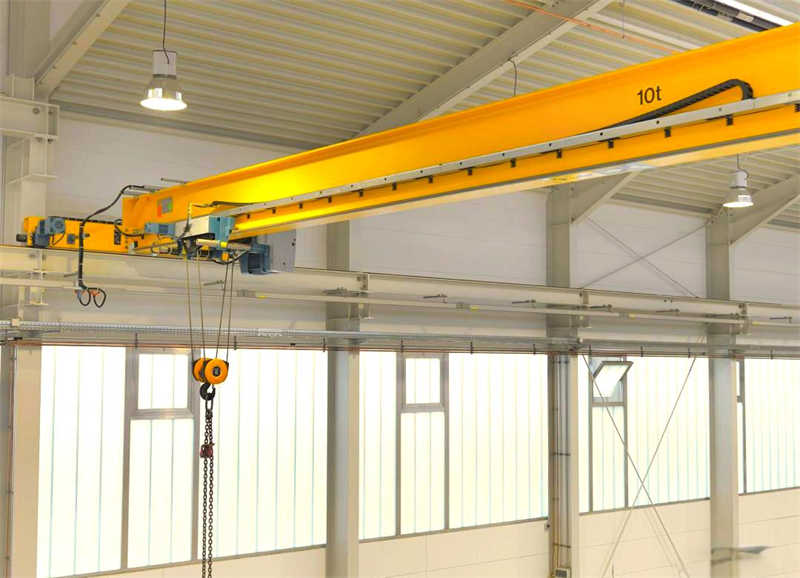
Single girder overhead cranes, also known as Electric Overhead Travelling (EOT) Cranes, are characterized by a single horizontal beam that supports both the trolley and hoist system. This configuration allows for efficient horizontal and vertical movement of loads within industrial environments .
For metal workshops and similar industrial settings, these cranes offer several advantages:
- Space-efficient design that maximizes available workspace
- Lower initial investment compared to double girder alternatives
- Easier installation and maintenance due to simpler construction
- Adequate strength for most common heavy-duty applications
The 25-ton capacity model sits comfortably within the typical single girder capacity range of 1-30 tons, making it suitable for handling substantial loads commonly found in metal fabrication, machining, and assembly operations .
Price Ranges for 25-Ton Single Girder Overhead Cranes
When budgeting for a 25-ton single girder overhead crane, understanding the price variations across different types and specifications is crucial. The following table summarizes approximate price ranges for various configurations:
| Crane Type | Price Range (USD) | Key Features |
|---|---|---|
| General-Purpose Single Girder | $8,000 – $56,000 | Standard configuration for standard workshops |
| Low Headroom Design | $12,000 – $45,000 | Maximizes vertical space in facilities with limited clearance |
| European Style Single Girder | $10,000 – $50,000 | Advanced design with higher performance components |
| FEM/DIN Standard | $20,000 – $60,000 | Compliance with international quality and safety standards |
| Explosion-Proof Variant | $50,000 – $300,000 | Specialized components for hazardous environments |
These price ranges reflect the base equipment costs and can fluctuate based on market conditions, raw material prices, and geographic factors .
Key Factors Influencing Crane Price
1. Load Capacity and Span Requirements
The 25-ton capacity represents a significant lifting capability that naturally places these cranes in a higher price bracket compared to lower-capacity models. However, the relationship between capacity and cost isn’t linear—each additional ton of capacity requires strengthened components and more powerful motors, increasing the price accordingly .
The span length—the distance between the runway tracks—also significantly impacts cost. Longer spans require:
- Heavier and more reinforced girders to prevent deflection
- More robust end trucks and wheels
- Possible reinforcement of building structures
For a 25-ton single girder overhead crane, spans typically range from 7.5 to 31.5 meters, with longer spans commanding higher prices due to increased material and engineering requirements .
2. Lifting Height and Speed Specifications
Lifting height directly affects crane pricing, as greater heights require:
- Longer hoisting ropes or chains
- Larger drums or sheaves
- Potentially more powerful hoisting motors
- Enhanced safety systems
Similarly, variable speed controls or higher lifting speeds can add 10-20% to the base equipment cost, but may improve operational efficiency in production environments where cycle times are critical .
3. Control Systems and Operational Features
The type of control system significantly influences the overall crane price:
- Basic pendant controls: Most economical option
- Radio remote controls: Added convenience and safety, moderate cost increase
- Full cabin controls: Highest cost, but essential for certain applications
- Automated or programmed operations: Premium pricing for specialized functionality
Additional features such as variable frequency drives for smooth operation, precision load positioning, or anti-sway technology can also impact the final price but may offer valuable operational benefits .
4. Duty Cycle and Classification
Cranes are classified according to their expected usage intensity—from A3 (light) to A6 (heavy) service. A 25-ton crane designed for A5 or A6 service (heavy to continuous use) will cost significantly more than one rated for A3 service (light usage) due to:
- More robust mechanical components
- Higher quality electrical systems
- Enhanced safety features
- Superior materials throughout
Understanding your actual usage patterns—rather than over-specifying—can result in substantial cost savings .
Beyond the Base Price: Additional Cost Considerations
When budgeting for a 25-ton single girder overhead crane, consider these often-overlooked expense categories:
Installation and Commissioning
Professional installation typically adds 10-20% to the total project cost, but is essential for safe and reliable operation. This includes:
- Runway preparation and alignment
- Crane assembly and electrical connections
- Load testing and certification
- Operator training
Some suppliers offer installation services, while others may provide supervision for local contractors .
Transportation Costs
Given the size and weight of crane components, transportation can represent a significant expense, particularly for international shipments. Factors affecting freight costs include:
- Distance from manufacturing facility
- Shipment dimensions and weight
- Customs duties and import fees
- Local transport to the final site
Obtaining a detailed shipping quote early in the procurement process helps prevent budget surprises .
Maintenance and Operational Costs
While not part of the initial purchase price, long-term ownership costs should influence your buying decision:
- Preventive maintenance schedules
- Replacement part availability and pricing
- Potential downtime costs
- Energy consumption
Choosing a supplier that offers comprehensive after-sales support, readily available spare parts, and technical assistance can significantly reduce total cost of ownership .
Customization and Special Requirements
Standard 25-ton single girder cranes suit many applications, but specific working conditions may require customizations that affect pricing:
Specialized Applications
- Explosion-proof configurations for hazardous environments
- High-temperature adaptations for foundries or forging operations
- Corrosion-resistant coatings for harsh environments
- Insulated systems for electrically live workplaces
Technical Enhancements
- Advanced load monitoring systems
- Collision avoidance technology
- Automated positioning systems
- Integration with plant management systems
Each customization adds to the initial cost but may deliver substantial operational benefits or risk mitigation.
Smart Procurement Strategy
Define Your Requirements Precisely
Before requesting quotes, document your specific needs:
- Maximum load weight and frequency of lifts
- Exact span and lifting height requirements
- Available power supply characteristics
- Hours of operation per day/week
- Environmental conditions (temperature, humidity, contaminants)
- Control preferences and operator requirements
This information enables suppliers to provide accurate quotations rather than ballpark estimates .
Evaluate Total Value, Not Just Initial Price
While budget constraints are real, consider these value aspects:
- Supplier reputation and industry experience
- Compliance with international standards (FEM, DIN, ASME)
- Warranty terms and after-sales service commitment
- Documentation and training provided
- Project references in similar industries
A slightly higher initial investment in a quality crane often translates to lower lifetime costs and greater operational reliability .
Request Detailed Quotations
When comparing offers, ensure they include:
- Complete equipment description with major components specified
- Clear scope of supply (what is and isn’t included)
- Delivery timeline and terms
- Installation requirements and available support
- Warranty details and after-sales service options
- Payment terms and conditions
Conclusion: Making an Informed Investment
The 25-ton single girder electric travelling overhead crane represents a significant investment for any metal workshop, with prices ranging from approximately $8,000 for basic models to $80,000 or more for specialized configurations .
While price is undoubtedly an important consideration, the optimal choice balances initial cost with long-term performance, reliability, and safety. By thoroughly understanding your requirements, carefully evaluating options, and selecting a reputable supplier who offers comprehensive services from design to maintenance, you can ensure your crane investment delivers maximum value throughout its operational life.
For precise pricing tailored to your specific workshop requirements, contact professional crane suppliers with detailed information about your application, including capacity, span, lifting height, power supply, and special operational conditions . This approach will yield the most accurate quotations and help you make a well-informed purchasing decision that meets both your operational needs and budget constraints.
For those seeking competitive pricing for a 25-ton single girder electric travelling overhead crane, Dongqi Crane provides customized quotations based on your specific requirements and also provides comprehensive services including crane project design, installation, and lifetime maintenance .
