
15-Ton Single Girder Hoist Gantry Crane with Cantilever: Price, Features, and Benefits
Are you in the market for a reliable, cost-effective lifting solution that maximizes workspace efficiency? The 15-ton single girder hoist gantry crane with cantilever represents a popular category of industrial cranes designed for exceptional versatility and cost efficiency. At Dongqi Crane, we specialize in engineering these robust material handling solutions that combine impressive lifting capacity with smart design to optimize your operational workflow. Whether you’re working in outdoor stockyards, busy warehouses, or industrial production facilities, understanding the features, benefits, and pricing factors of these cranes will help you make an informed decision for your business.
Product Overview
A single girder hoist gantry crane is characterized by its straightforward design featuring a single beam supported by legs at both ends that travel along ground-mounted rails. What sets the cantilever version apart is the extension of the main beam beyond the crane runway on one or both sides, creating valuable overhanging sections that significantly expand the working area without requiring increased span. This intelligent cantilever design enables loading and unloading operations beyond the main crane structure, allowing materials to be handled from areas outside the immediate crane path.
The 15-ton single girder gantry crane with cantilever is specifically engineered for medium-duty lifting applications where both strength and precision are required. Compared to double girder designs, this crane type offers a more economical solution while maintaining substantial lifting capacity for most industrial needs. The incorporation of cantilevers—available as single-sided or double-sided—adds a layer of operational flexibility, enabling the crane to service areas that would otherwise be inaccessible to standard gantry cranes .
These cranes are particularly valued for their space-efficient design, allowing operations in facilities where space constraints might otherwise limit material handling options. The cantilever extensions effectively increase the usable working area without expanding the crane’s footprint, delivering more value per square foot of facility space. This makes them an ideal solution for businesses looking to maximize their existing operational areas without compromising on functionality .
Key Features and Design Advantages
Cantilever Design Benefits
The defining feature of this crane category is its strategically engineered cantilever design, which provides tangible operational advantages in various material handling scenarios. The cantilever essentially allows the hoist to travel beyond the crane’s supporting legs, enabling operators to lift loads from outside the track width—particularly useful for loading and unloading trucks or servicing work areas adjacent to but not directly under the main crane structure.
Cantilever gantry cranes are available in single cantilever or double cantilever configurations to match specific operational requirements. The double cantilever design, with beam extensions on both sides, represents the most common structural form as it provides balanced geometry and optimal use of available space. Single cantilever versions are typically selected when site constraints or specific work patterns dictate an asymmetrical work area .
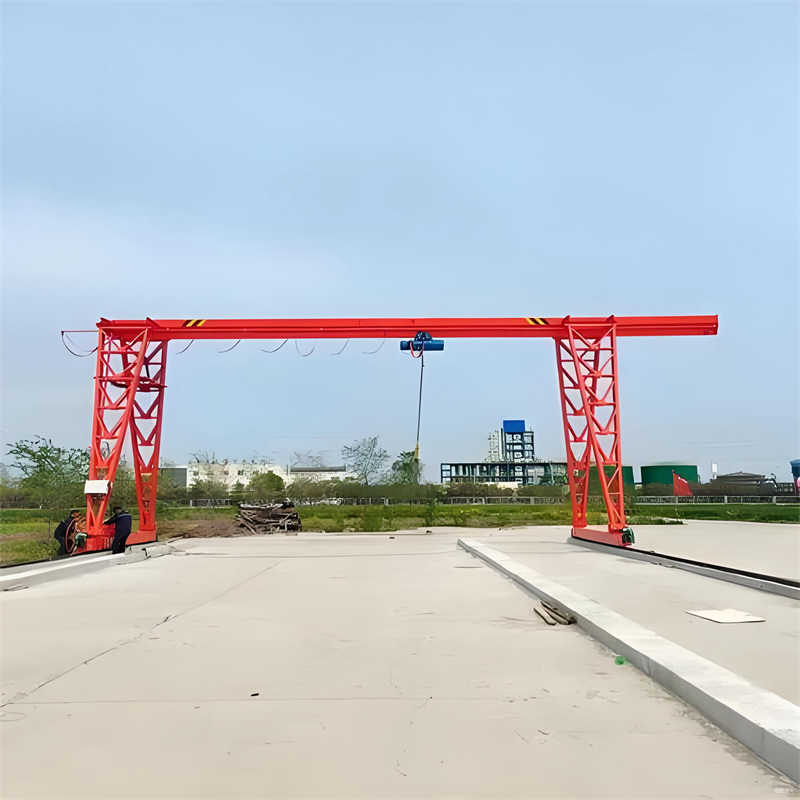
The primary function of these cantilever extensions is to enhance operational flexibility without requiring a larger crane footprint. In practical terms, this means finished products or materials can be hoisted, loaded, transferred, or unloaded using the cantilever sections without disrupting ongoing operations within the main span area. This capability is particularly valuable in facilities with continuous production processes where workflow interruptions would result in significant downtime costs .
Structural Configurations
When selecting a 15-ton single girder hoist gantry crane with cantilever, you have important choices regarding its structural design that impact both performance and cost:
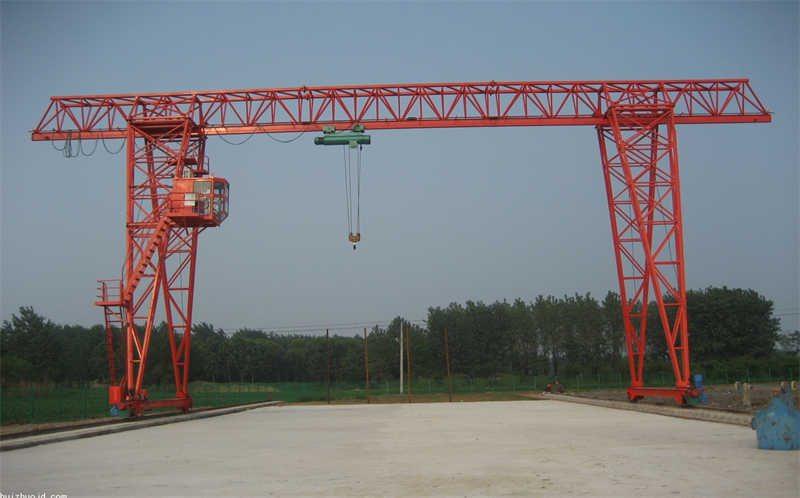
- Box Girder vs. Truss Girder: Box girders, constructed from welded steel plates, offer superior stiffness and high safety factors, making them ideal for applications requiring precise load positioning. Truss girders, built from angled steel or I-beams, provide excellent wind resistance and lighter overall weight, making them particularly suitable for outdoor installations in exposed locations .
- Full Gantry vs. Semi-Gantry: For facilities with specific spatial constraints, the semi-gantry design features one leg and one side supported by the existing building structure, offering a practical solution where full gantry configurations wouldn’t be feasible .
Table: Comparison of Single Girder Gantry Crane Structural Types
| Structure Type | Best For | Advantages | Considerations |
|---|---|---|---|
| Box Girder | Indoor applications, precise lifting | High stiffness, simple fabrication | Heavier weight, higher cost |
| Truss Girder | Outdoor applications, windy locations | Good wind resistance, lighter weight | More maintenance points |
| L-Type Gantry | Handling large-sized cargo | Unobstructed movement of oversized loads | Requires more headroom |
Safety and Control Systems
Modern 15-ton single girder hoist gantry cranes incorporate comprehensive safety systems to ensure reliable operation and protect both personnel and assets. Standard safety features typically include:
- Overload limiters that prevent the crane from lifting loads beyond its rated capacity
- Height limit switches that restrict hoist movement at the upper and lower limits
- Travel limit switches that define the crane’s operational boundaries
- High-quality polyurethane buffers that absorb energy during potential collisions
- Emergency stop systems for immediate shutdown in critical situations
In terms of operation, these cranes offer multiple control options to match different operational preferences and safety requirements. Traditional pendant controls provide a straightforward operating method, while advanced radio remote control systems allow operators to control the crane from a safe distance, particularly valuable in applications with limited visibility or potentially hazardous environments. For intensive use cycles, cabin control options provide an ergonomic operating environment with optimal visibility .
Applications Across Industries
The 15-ton single girder hoist gantry crane with cantilever finds application across diverse industrial sectors thanks to its adaptable design and substantial lifting capacity. Its ability to handle heavy loads while maximizing space utilization makes it a valuable asset in numerous material handling scenarios:
- Warehouse and Storage Facilities: Cantilever cranes excel at loading and unloading trucks without requiring the vehicle to be perfectly centered under the crane, significantly speeding up logistics operations and reducing truck turnaround time.
- Steel Yards and Metal Service Centers: The 15-ton capacity is ideally suited for handling steel coils, plates, and structural components. The cantilever design allows for efficient material transfer between storage areas and processing stations, even when these are located outside the immediate crane path .
- Ports and Shipbuilding Yards: In these exposed environments, the truss girder variant offers superior wind resistance, while the cantilever capability enables precise positioning of large components during assembly operations .
- Concrete and Precast Plants: Handling heavy concrete elements requires both precision and strength. The cantilever design allows these cranes to service multiple production stations from a single track system, reducing equipment requirements and streamlining workflow.
- Railroad Maintenance Facilities: The ability to handle locomotives and railcar components makes these cranes invaluable in railroad maintenance environments, where the cantilever feature enables versatile positioning of heavy components during repair operations .
The versatility of these cranes is further enhanced by their compatibility with various lifting attachments, including hooks, grabs, and spreaders. This allows the same crane to handle diverse load types—from discrete items using standard hooks to bulk materials using specialized grabs—making it a truly adaptable solution for facilities with varied material handling requirements .
Price Influencing Factors
The investment in a 15-ton single girder hoist gantry crane with cantilever is influenced by several key factors that collectively determine the final equipment cost. Understanding these variables will help you make informed decisions that balance performance requirements with budget constraints:
Technical Specifications
The fundamental technical parameters of your crane directly impact its price. Each specification should be carefully considered based on your operational needs:
- Lifting Capacity: While the baseline is 15 tons, engineers sometimes recommend a slightly higher capacity (such as 16 tons) to provide an additional safety margin, which may affect the price.
- Span Length: The distance between the crane rails significantly influences the structural requirements of the girder. Longer spans require heavier beam construction to maintain safe deflection limits, increasing both material costs and structural support requirements.
- Cantilever Length: The length of the cantilever extension directly affects the structural design of the main girder and supporting legs. Longer cantilevers require reinforced structures to handle the additional stress, impacting the overall cost .
- Lifting Height: Higher lift requirements necessitate longer hoist ropes and potentially more powerful lifting mechanisms, each adding to the equipment cost.
- Duty Cycle Classification: Cranes rated for more intensive duty cycles (A4-A5 compared to A3) incorporate heavy-duty components throughout the electrical and mechanical systems, reflecting in their price .
Configuration and Component Selection
Beyond the basic specifications, the specific configuration and component choices significantly influence the overall investment:
- Girder Type Selection: While box girders generally command a higher price than truss designs, they offer advantages in precision and stiffness that may justify the additional investment for certain applications.
- Hoist Type and Capabilities: The choice between standard wire rope hoists, European-spec hoists, or explosion-proof models carries different price points. Variable frequency drives (VFDs) for smoother acceleration and precise positioning represent an optional upgrade that adds value but also cost .
- Control System Selection: Basic pendant controls represent the most economical option, while radio remote control systems and fully equipped operator cabins represent progressively more significant investments that enhance safety and ergonomics.
- Safety and Automation Features: Additional safety devices, anti-sway systems, and automation packages contribute to both the functionality and cost of the crane.
Table: Primary Factors Affecting 15-Ton Single Girder Gantry Crane Price
| Factor Category | Specific Elements | Price Impact |
|---|---|---|
| Technical Specifications | Span length, cantilever length, lifting height | High – directly affects structural requirements |
| Component Quality | Hoist type, electrical components, motors | Medium to High – affects reliability and lifespan |
| Control Systems | Pendant, radio remote, cabin controls | Medium – significant cost differences between options |
| Safety Features | Standard vs. advanced safety packages | Low to Medium – incremental cost for added protection |
| Customization | Special paints, custom dimensions, unique features | Varies – depending on complexity of requirements |
Service and Support Elements
The comprehensive cost assessment should extend beyond the equipment itself to include various service and support elements:
- Installation Requirements: Complex installations requiring significant site preparation, rail track installation, or electrical infrastructure work will add to the overall project cost.
- Training and Documentation: Comprehensive operator training and detailed maintenance documentation represent valuable investments in long-term equipment performance and safety.
- Warranty and After-Sales Support: Extended warranty periods and responsive after-sales service provide valuable protection but may influence the overall investment .
Technical Specifications Overview
A clear understanding of the standard technical parameters for 15-ton single girder hoist gantry cranes with cantilever will help you evaluate different offerings and communicate your requirements effectively:
- Lifting Capacity: Standard rating of 15 tons (approximately 15,000 kg), with some manufacturers offering a slightly higher 16-ton capacity for additional safety margin
- Span Range: Typically available from 6 meters to 30 meters, with optimal structural efficiency achieved in specific span ranges based on the girder type
- Cantilever Length: Customizable based on application needs, with practical limits determined by the span and structural design
- Lifting Height: Standard offerings include 6m, 9m, 12m, and 18m, with custom heights available for specialized applications
- Work Duty Classification: Generally rated for A3-A5 duty cycles, matching most industrial applications without requiring overspecified components
- Operating Temperature Range: Standard operation from -25°C to 40°C, with optional specifications available for more extreme environments
- Power Supply: Compatible with 220-660V, 50/60Hz, 3Phase systems, with specific configurations based on regional requirements
The specific combination of these parameters should be selected based on a thorough analysis of your operational requirements. An experienced crane manufacturer can provide valuable guidance on optimizing these specifications to achieve the best balance between performance, longevity, and investment.
Services and Support
At Dongqi Crane, we recognize that a crane represents a significant investment in your operational capabilities, and we complement our equipment with comprehensive services designed to maximize your return on that investment:
Customized Solutions
We specialize in developing tailor-made crane solutions that address your specific operational challenges rather than offering one-size-fits-all products. Our engineering team begins each project with a thorough analysis of your requirements, including:
- Site assessment to identify potential constraints and opportunities
- Workflow analysis to ensure the crane solution integrates seamlessly with your operations
- Load handling evaluation to determine optimal lifting attachments and procedures
- Future expansion considerations to ensure your investment continues delivering value as your needs evolve
Professional Implementation
Proper implementation is essential for achieving the designed performance and service life from your crane equipment. Our professional services include:
- Project Management: Dedicated oversight of your project from conception through commissioning
- Installation and Commissioning: Expert equipment installation by trained technicians following established procedures
- Operator Training: Comprehensive training for your personnel covering both routine operations and basic troubleshooting
Ongoing Support
Our commitment to your satisfaction extends long after the crane has been commissioned through our comprehensive support programs:
- Preventive Maintenance: Scheduled maintenance services designed to identify potential issues before they impact your operations
- Parts Availability: Guaranteed access to genuine replacement parts to minimize downtime when maintenance is required
- Technical Support: Responsive assistance from our engineering team for troubleshooting and optimization challenges
Conclusion
The 15-ton single girder hoist gantry crane with cantilever represents a strategic investment in enhancing your material handling capabilities while optimizing your operational space. Its intelligent cantilever design delivers exceptional versatility in both indoor and outdoor applications, while the single girder configuration provides an optimal balance of performance and affordability.
When evaluating potential suppliers for your 15-ton single girder gantry crane needs, consider both the initial investment and the long-term value represented by quality construction, appropriate specification, and comprehensive support services. The right supplier will function as a strategic partner rather than simply a equipment vendor, contributing expertise and support throughout the equipment lifecycle.
At Dongqi Crane, we invite you to experience the difference that purpose-engineered lifting solutions can make in your operations. Contact our technical team today to discuss your specific requirements and receive a detailed proposal for a 15-ton single girder hoist gantry crane with cantilever tailored to your operational needs and budget considerations.
Discover the Dongqi Difference – where quality, expertise, and customer focus combine to deliver lifting solutions that elevate your operational capabilities.
Frequently Asked Questions
What is the typical price range for a 15-ton single girder hoist gantry crane with cantilever?
While prices vary significantly based on configuration, standard 15-ton single girder gantry cranes with cantilever typically represent a cost-effective solution compared to double girder alternatives. The final investment depends on specific technical parameters, component selections, and service requirements. Contact us with your detailed specifications for a precise quotation tailored to your needs.
How does the cantilever design benefit my operation compared to a standard gantry crane?
The cantilever design significantly expands your effective work area without increasing the crane’s footprint. This enables loading and unloading operations outside the main crane span, particularly valuable for truck loading, servicing adjacent work areas, and maximizing space utilization in constrained facilities.
What are the main differences between box girder and truss girder constructions?
Box girders offer superior stiffness and precise load positioning, making them ideal for most industrial applications. Truss girders provide excellent wind resistance and lighter weight, particularly beneficial for outdoor installations in exposed locations. Each design has distinct advantages suited to different operating environments.
How long does it typically take to manufacture and deliver a custom 15-ton gantry crane?
Production timelines vary based on project complexity and current manufacturing schedules. Standard configurations typically require shorter lead times, while highly customized solutions may need extended engineering and fabrication periods. We provide detailed project timelines during the quotation process to support your planning requirements.
What safety features are standard on your 15-ton single girder gantry cranes?
Our standard safety package includes overload limiters, height limit switches, travel limit switches, emergency stop systems, and high-quality buffers. Additional safety devices such as anti-collision systems, anemometers for wind detection, and advanced monitoring packages are available as optional enhancements to match your specific risk profile and operational requirements.
