
The Right Overhead Crane for Your Food Processing Facility
When it comes to material handling in food and beverage plants, not all cranes are created equal. Standard overhead cranes might work fine in a warehouse or factory, but food production demands something more—hygienic design, corrosion resistance, and compliance with strict safety regulations.
That’s where food-grade single girder bridge cranes come in. These cranes are built specifically for environments where cleanliness, precision, and reliability are non-negotiable.
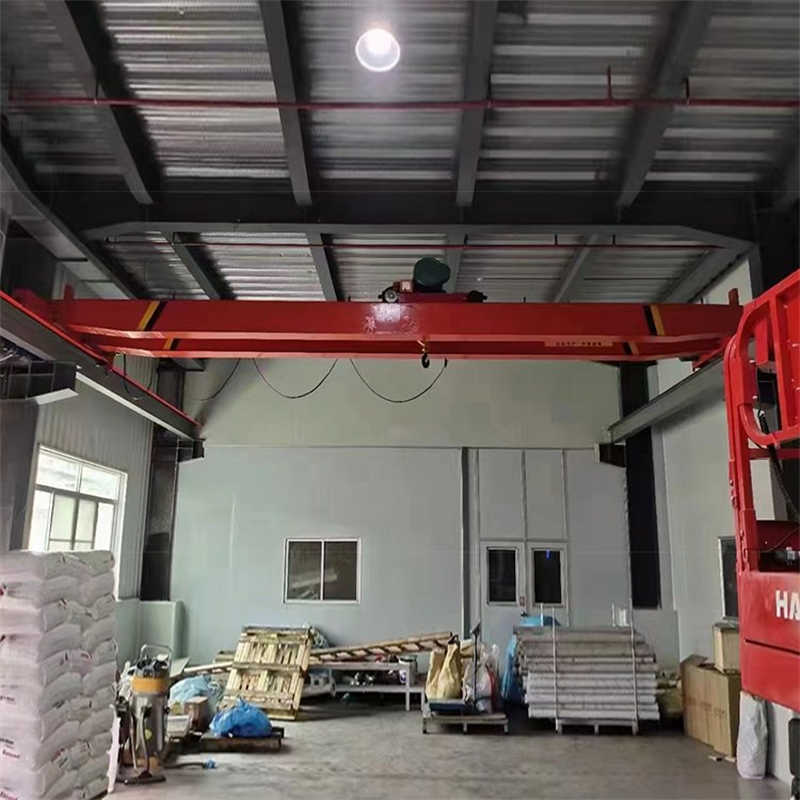
What Makes a Crane “Food-Grade”?
When selecting an overhead crane for food processing facilities, standard industrial cranes simply won’t cut it. Food production environments demand specialized equipment designed with three critical factors in mind: hygiene, durability, and compliance. Let’s break down exactly what sets food-grade cranes apart.
1. Materials That Meet Strict Hygiene Standards
The foundation of any food-grade crane is its construction materials:
- Stainless Steel Dominance:
- Primary structural components use 304 or 316-grade stainless steel
- 316-grade is preferred for areas with frequent chemical exposure (like cleaning zones)
- Electropolished finishes create smooth surfaces that resist bacterial adhesion
- Specialized Coatings:
- FDA-approved epoxy coatings on non-stainless parts
- Antimicrobial powder coatings for additional protection
- Food-Safe Components:
- NSF H1-certified lubricants in all moving parts
- Non-porous seals and gaskets that won’t harbor microorganisms
2. Design Features for Easy Cleaning and Sanitation
Food-grade cranes incorporate smart design elements that facilitate rigorous cleaning protocols:
- Seamless Construction:
- Welded joints instead of bolts in food contact zones
- Radius corners (no sharp 90° angles) for better cleanability
- Protected Mechanisms:
- Totally enclosed motors (TEFC) with IP66 ratings
- Cable management systems that prevent dangling wires
- Washdown-Ready Features:
- Drainage channels in bridge girders
- Corrosion-resistant electrical enclosures
- Quick-disconnect panels for thorough cleaning access
3. Compliance with Food Safety Regulations
True food-grade cranes meet multiple regulatory standards:
- Global Food Safety Standards:
- FDA 21 CFR compliance for food contact surfaces
- EHEDG (European Hygienic Engineering) guidelines
- 3-A Sanitary Standards for dairy applications
- Industry-Specific Certifications:
- ISO 22000 for food safety management
- HACCP compliance documentation
- CE Marking for European markets
4. Operational Features for Food Environments
Beyond materials and design, functional aspects are equally important:
- Contamination Prevention:
- Drip pans under all moving parts
- Non-marking nylon or polyurethane wheels
- Temperature Adaptability:
- Cold storage packages (-40°C capability)
- High-temperature options for cooking areas
- Specialized Load Handling:
- Anti-microbial lifting straps
- Easy-clean hook designs
- Magnetic or vacuum options for packaged goods
5. Maintenance Designed for Food Safety
Even maintenance procedures are optimized for hygiene:
- Tool-Free Access points for frequent inspection areas
- Clean-in-Place (CIP) compatible components
- Documentation Packages including:
- Material certificates
- Lubricant safety data sheets
- Cleanability validation reports
Why This Matters: In food processing, a single contamination incident can cost millions in recalls and brand damage. A properly specified food-grade crane acts as your first line of defense, designed from the ground up to maintain product purity while withstanding the demanding conditions of food production environments.
For facilities undergoing audits, having documentation showing your material handling equipment meets these standards can be just as important as the equipment itself. That’s why leading food manufacturers insist on cranes with full traceability of all materials and components.
Where Food-Grade Cranes Are Used
Food-grade cranes serve as hygienic workhorses throughout the entire food production chain. Here’s an in-depth look at their essential roles across different facility zones:
1. Raw Material Handling & Storage Areas
- Grain & Bulk Ingredient Silos
- Dust-tight hoists for flour, sugar, and powdered ingredients
- ATEX-rated models for explosive dust environments
- 5-20 ton capacity units with sealed bearings
- Refrigerated Raw Material Warehouses
- Low-temperature packages (-30°C capability)
- Anti-condensation electrical components
- Stainless steel chains for meat/poultry storage
- Unloading Docks
- Washdown-proof pendant stations
- Corrosion-resistant trolleys for salty or acidic environments
2. Processing & Production Zones
- Cooking & Mixing Areas
- Heat-resistant models (up to 120°C near cookers)
- Steam-proof electrical enclosures
- Grease-free lubrication points
- Liquid Processing
- Drip-proof designs over open vats
- Splash guards on all moving parts
- Non-reactive stainless grades for acidic products
- Batching & Portioning Stations
- Precision controls (±1mm positioning)
- Quick-change lifting attachments
- Integrated load cells for recipe accuracy
3. Packaging & Finishing Departments
- Primary Packaging Lines
- VFD-controlled gentle handling of glass/plastic
- Anti-static features for film wrapping areas
- Vision-system compatible designs
- Case Packing & Palletizing
- Automated layer picking systems
- Barcode/RFID integration points
- Ergonomic operator interfaces
- Cold Packaging Rooms
- Hygienic insulation for condensation control
- FDA-compliant white finishes
- Antimicrobial handle coatings
4. Specialized Food Environments
- Dairy & Cheese Plants
- Curd vat handling systems
- Whey-resistant coatings
- 3-A compliant designs
- Beverage Production
- Acid-resistant grades for juice plants
- Explosion-proof models for distilleries
- Can/bottle line changeover systems
- Seafood Processing
- Saltwater-resistant galvanic protection
- High-pressure wash configurations
- Odor-resistant polymer components
Real-World Example: A major yogurt producer implemented food-grade cranes with:
- White epoxy finishes for visibility of contaminants
- Steam-cleaning capable electricals
- Automated CIP (Clean-in-Place) compatible components
Resulting in 30% faster sanitation cycles and zero product contamination incidents over 3 years.
Selection Tip: The most effective food-grade crane solutions map directly to your:
- Product type (dry/wet/frozen)
- Cleaning protocols (water/steam/chemical)
- Production pace (manual/automated)
- Regulatory environment (FDA, EU, etc.)
Would you like me to elaborate on crane specifications for any of these specific applications? Perhaps provide comparison tables for different food sectors?
Choosing the Right Food-Grade Crane
Selecting the ideal food-grade overhead crane requires careful consideration of your facility’s unique needs. Here’s a comprehensive framework to ensure you get the perfect lifting solution:
1. Assess Your Operational Requirements
Load Characteristics:
- Calculate total weight including packaging (e.g., 2-ton product + 0.5-ton container = 2.5-ton requirement)
- Consider load shapes: Bulk bags vs. palletized goods vs. liquid tanks
- Evaluate special handling needs: Fragile items require anti-sway systems
Movement Patterns:
- Map daily lift cycles (frequency/duration)
- Identify obstruction zones (columns, piping, other equipment)
- Determine required positioning accuracy (±5mm standard, ±1mm precision available)
2. Match Crane Features to Your Environment
Hygiene Level Matrix:
| Sanitation Zone | Recommended Features |
|---|---|
| Dry Storage | IP54, food-grade grease |
| Processing | IP65, stainless steel |
| Washdown | IP69K, CIP-compatible |
| Freezer | -30°C package, anti-condensation |
Environmental Factors Checklist:
☐ Ambient temperature ranges
☐ Humidity/steam exposure levels
☐ Chemical cleaning agents used
☐ Explosive dust potential (ATEX requirements)
3. Select Appropriate Specifications
Structural Considerations:
- Span length: Measure between runway rails (standard 6-28m, custom available)
- Lift height: Include clearance for tallest possible load
- Headroom: Low-profile designs for limited spaces
Performance Options:
- Speed control: Basic vs. variable frequency drive (VFD)
- Positioning: Standard vs. encoder-assisted precision
- Automation: Manual vs. semi-automatic vs. full-AGV integration
4. Verify Compliance & Certification
Essential Documentation:
- Material certificates (mill test reports for stainless steel)
- Lubricant NSF/H1 certification
- CE Declaration of Conformity
- ISO 22000/HACCP compliance statements
Regional Requirements:
- US: FDA 21 CFR 178.3570
- EU: EHEDG, EC1935/2004
- Global: ISO/TS 22002-4
5. Plan for Installation & Maintenance
Facility Preparation:
- Structural analysis of support columns
- Utility requirements (power drops, data connections)
- Sanitation protocol training for installers
Service Package Evaluation:
- Recommended maintenance intervals
- Availability of food-safe replacement parts
- Emergency response time guarantees
Pro Tip: Always request a 3D simulation from your supplier to visualize crane operations in your actual workspace before purchasing.
Decision Support Tools
Food-Grade Crane Selector Guide:
| Factor | Basic Model | Premium Model |
|---|---|---|
| Materials | 304 SS | 316L SS |
| Protection | IP55 | IP69K |
| Control | Pendant | Wireless+PLC |
| Precision | ±10mm | ±1mm |
| Warranty | 2 years | 5 years |
Total Cost of Ownership Calculator:
- Initial purchase price
- Expected sanitation time savings
- Reduced product loss value
- Maintenance cost projections
Common Pitfalls to Avoid:
- Underestimating future capacity needs
- Overlooking cleaning access requirements
- Ignoring automation upgrade paths
- Choosing based solely on price
- Neglecting operator training needs
Why Food Manufacturers Trust Dongqi Cranes
We’ve helped dairy plants, breweries, and frozen food producers optimize their material handling with:
- Stainless steel cranes built for easy cleaning and long-term durability.
- Custom automation—RFID tracking, PLC controls, and AGV integration.
- Reliable performance even in extreme conditions (heat, cold, humidity).
Need a crane that meets food safety standards without sacrificing efficiency? [Get a free quote] to find the best solution for your facility.
Frequently Asked Questions
Q: How often should a food-grade crane be inspected?
A: At least twice a year, with additional checks after intensive cleaning cycles.
Q: Can these cranes be used in wet environments?
A: Yes—models with IP65 or IP66 ratings are designed for high-pressure washdowns.
Q: Do you offer automation-ready cranes?
A: Absolutely. Many of our cranes can integrate with smart factory systems for seamless operation.
Final Thoughts
A food-grade overhead crane isn’t just about lifting heavy loads—it’s about doing so safely, cleanly, and efficiently. By choosing the right design, materials, and features, you can ensure smooth operations while staying compliant with food safety regulations.
Ready to upgrade your facility’s material handling? [Contact us today] for a customized solution.
